
Data Analytics vs. Data Science Services: Choosing the Right Approach for Your Business
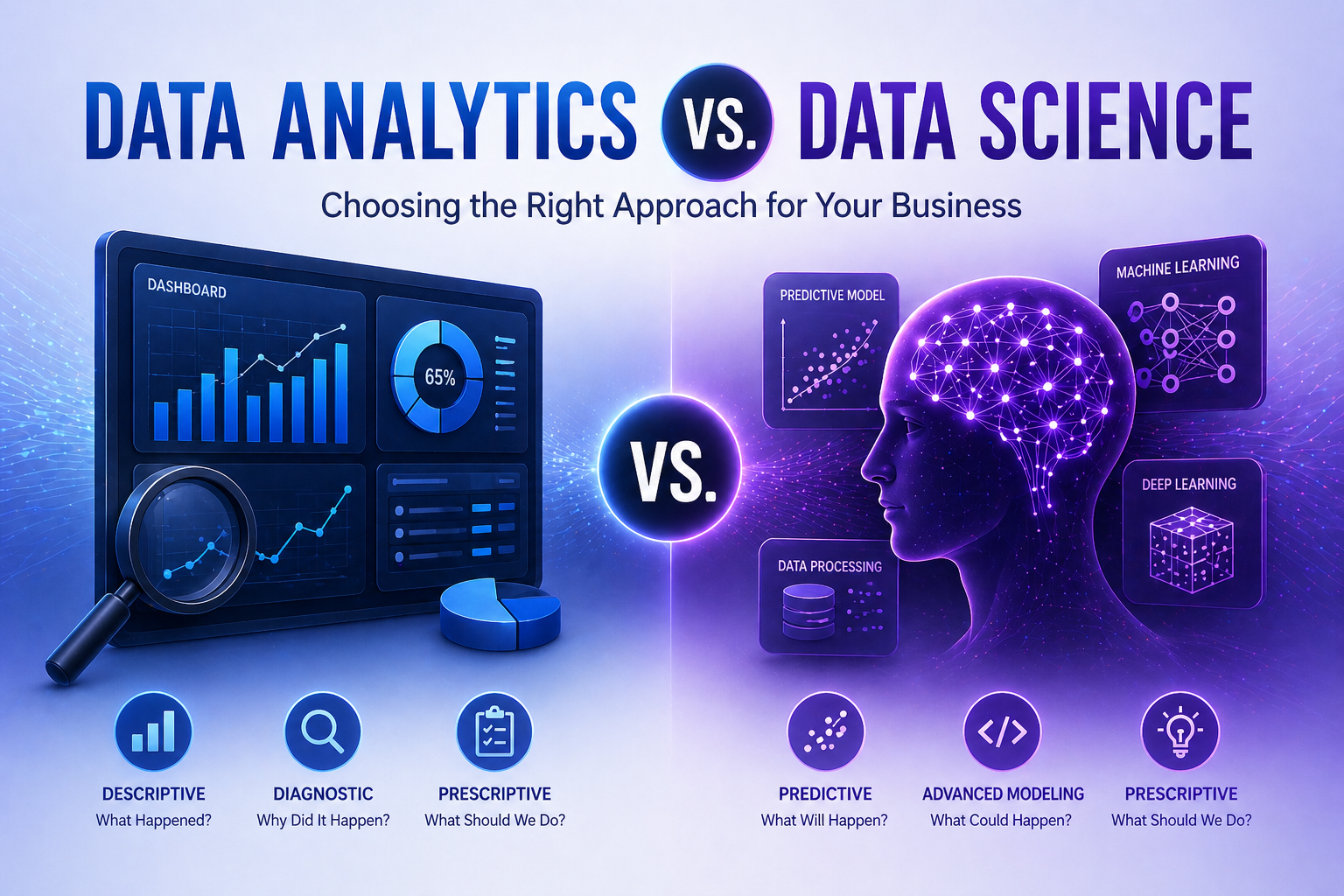
Data Analytics vs. Data Science Services: Choosing the Right Approach for Your Business
Most businesses that reach out about data work don't arrive with a clear brief. They arrive with a symptom: sales is declining but nobody knows why, operations keep hitting the same bottlenecks, or leadership suspects the CRM is sitting on a goldmine that nobody's touched. The question isn't whether to use data — it's which kind of data work will actually solve the problem.
That distinction matters more than most people realize, and getting it wrong is expensive. Hiring a data science team to answer a question that a well-built dashboard could answer in three weeks costs months and tens of thousands of dollars. Hiring a BI analyst when you actually need predictive modeling produces reports that describe yesterday's problems but offer no path forward. For companies evaluating data science services — and trying to make sense of the options — understanding the practical difference between analytics and data science is the first step.
This isn't a theoretical exercise. Austin's data ecosystem in 2026 is mature enough that there are excellent providers for both disciplines — the challenge is knowing which one to hire.
What Data Analytics Actually Does
Data analytics is the discipline of examining existing data to understand what happened, why it happened, and what's happening right now. It produces dashboards, reports, KPI tracking, and business intelligence outputs that give decision-makers a clear view of operational performance.
The work is anchored in the present and recent past: revenue by segment, conversion rates by channel, customer churn over the last quarter, operational efficiency week over week. When the question is 'how are we performing?' or 'where is the drop-off happening?' — data analytics is the right tool.
In practice, this means:
- Descriptive analytics — what happened and when
- Diagnostic analytics — why it happened and which factors drove it
- Data visualization — turning those findings into dashboards that business teams can read without a data degree
- Business intelligence — integrating multiple data sources into a unified reporting layer
The output is faster decisions based on cleaner information. For most SMBs and mid-market companies, a well-implemented BI layer resolves the majority of data-related operational friction.
What Data Science Services Actually Do
Data science services move beyond describing the past into building models that predict the future and prescribe what to do about it. The work is computational and statistical: building machine learning models trained on historical data, running experiments, identifying non-obvious patterns in large datasets, and creating systems that make or inform decisions automatically. For companies in Austin evaluating data science services, the questions being answered shift from 'what happened?' to 'what's likely to happen next?' and 'what should we do about it?'
In practice, data science delivers:
- Predictive analytics — churn forecasting, demand prediction, lead scoring, risk modeling
- Prescriptive analytics — recommendations for what action to take given predicted outcomes
- Machine learning models — systems that improve over time as they process more data
- Statistical modeling — finding non-obvious relationships between variables that explain business outcomes
- Natural language processing — extracting structured insight from unstructured text like reviews, support tickets, and contracts
The prerequisite for data science work is clean, structured, historically rich data. Organizations that try to build predictive models on poor-quality data produce outputs that look compelling in a demo and fail in production.
The Decision Framework: Which One Does Your Business Actually Need?
The clearest way to choose is to match the approach to the question being asked.
Start with data analytics if:
- Your primary need is better visibility into current performance
- Your data exists but isn't organized or accessible to decision-makers
- You need dashboards, automated reports, or KPI tracking built out
- You're pre-IPO or scaling and need operational metrics that leadership can track in real time
- You haven't yet invested in a data warehouse or clean reporting infrastructure
Move to data science services when:
- You have historical data and want to anticipate future outcomes, not just review past ones
- Your use case requires prediction — churn, demand, fraud, equipment failure, customer lifetime value
- You're building AI-powered product features or recommendation systems
- Your analytics work has reached its ceiling and you're seeing diminishing returns from reports alone
- You want to automate decision-making, not just inform it
Many businesses benefit from both, sequenced correctly: analytics first to establish data quality and operational visibility, data science second to build models on that clean foundation. Skipping the first phase and jumping directly to predictive modeling is one of the more reliable ways to produce a system nobody trusts.
Where Austin Businesses Are Seeing the Clearest ROI
Austin's market in 2026 reflects a sector that has moved past the 'we should do something with data' phase into genuine implementation. The companies seeing the clearest return fall into a few categories:
- SaaS companies using churn prediction models to identify at-risk accounts 60 to 90 days before they lapse — giving sales teams an actionable list rather than a reactive situation
- Healthcare organizations using predictive analytics to reduce readmission rates and optimize scheduling, where the combination of descriptive dashboards and ML-driven risk scoring delivers measurable patient and operational outcomes
- Logistics and supply chain businesses using demand forecasting models to reduce inventory overstock and understock simultaneously — a problem that dashboards can diagnose but only predictive modeling can solve proactively
- Financial services firms using statistical modeling for credit risk assessment, portfolio optimization, and compliance automation
What to Look for in a Data Partner
Whether you need analytics or data science, the evaluation criteria for a consulting partner are largely the same — and the first filter is whether they ask the right questions before proposing a solution.
- Do they start by understanding the business question, or do they immediately propose a tool? A partner who leads with Tableau or Power BI before understanding what decision you're trying to make is a tool reseller, not a strategic data partner.
- Can they show examples of work that produced a measurable business outcome — not just a clean dashboard or an impressive model architecture? The output that matters is a decision that got better or a cost that went down.
- Do they have experience with your data environment? Fragmented legacy systems, multi-source integrations, and cross-border data flows (relevant for Austin-Pune operations) require consulting experience, not just technical knowledge.
- What happens after the initial build? Data systems require ongoing maintenance, retraining, and governance. A partner who exits at delivery is not a data partner — they're a one-time vendor.
VirtueByte's AI and machine learning consulting practice bridges both disciplines — building the analytics infrastructure first and layering predictive modeling on top once the data foundation is solid. That sequencing is what turns data investment into durable business value.
Choosing Right the First Time
The difference between an analytics engagement and a data science engagement is not primarily about budget or technical sophistication — it's about the question being asked. Get that alignment right before selecting a partner, and most of the other decisions become much cleaner.
If you're still working out which approach fits your business situation, explore VirtueByte's data science and analytics services to understand how the two disciplines can work together — and where one ends and the other begins.
\
Related Blog Posts
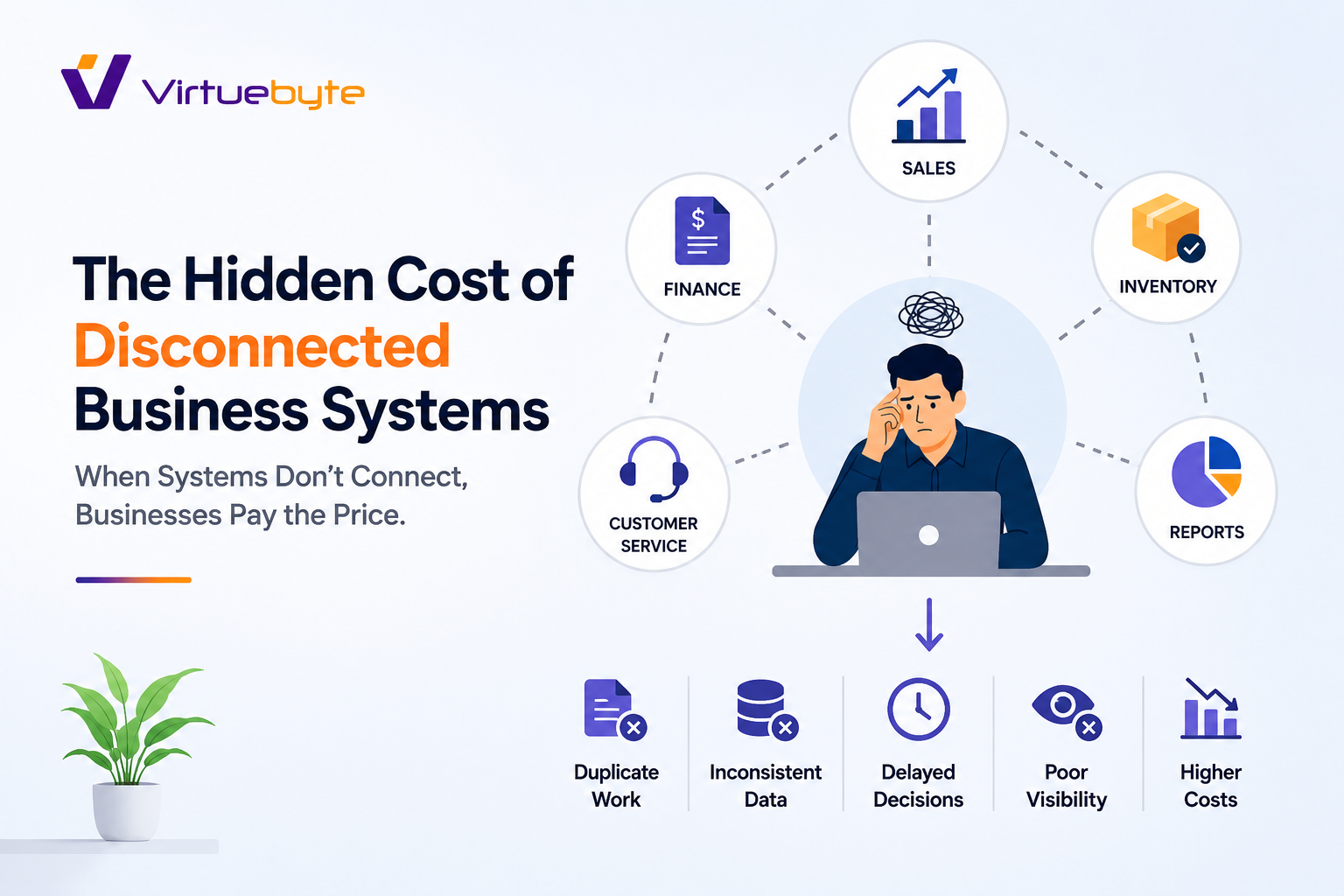
The Hidden Cost of Disconnected Business Systems: Why Integration Matters for Business Growth
Many businesses use different software for sales, finance, inventory, and customer service. While each system works independently, the lack of integration often leads to duplicate work, inconsistent data, delayed decisions, and limited visibility across operations.
Learn More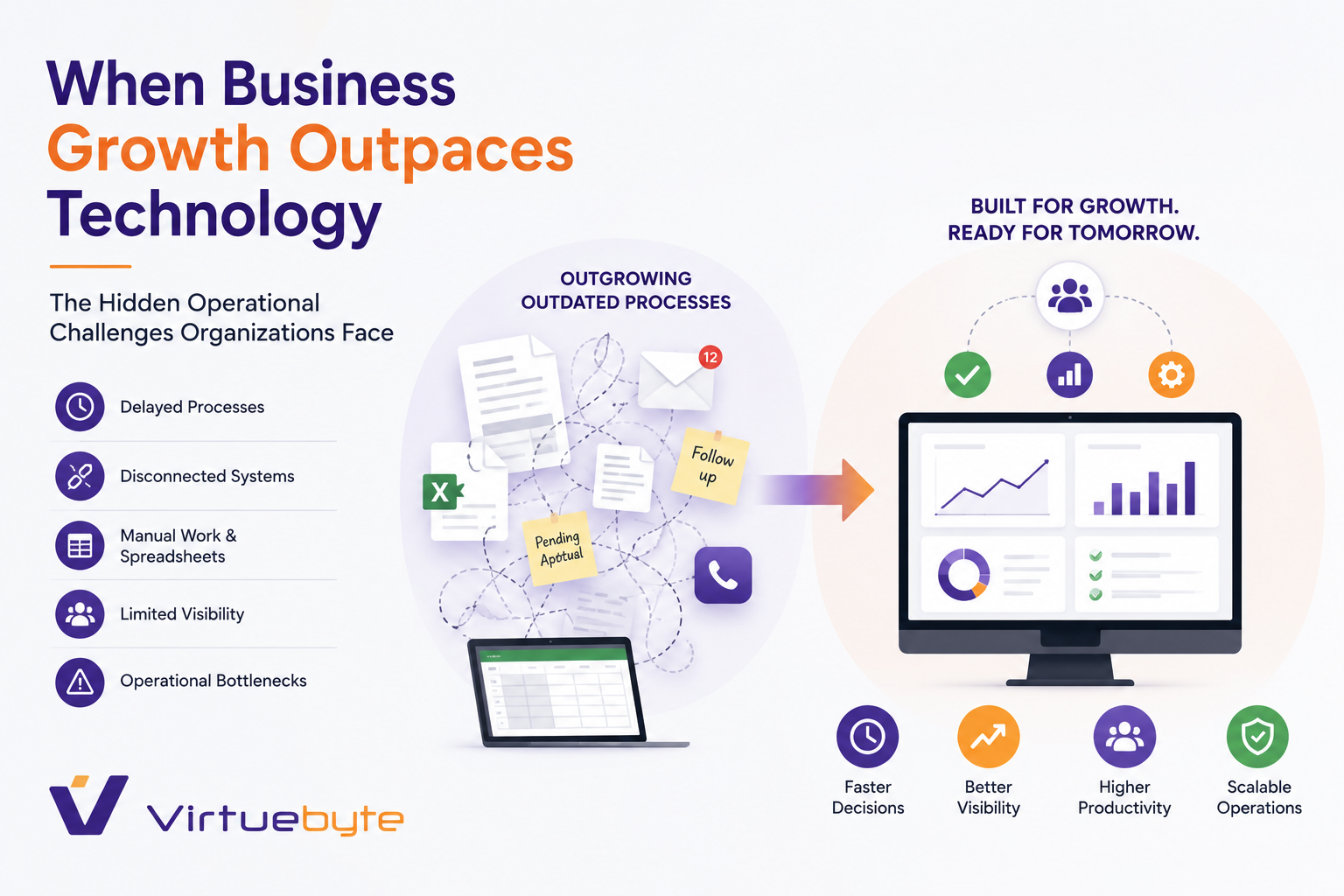
When Business Growth Outpaces Technology: The Hidden Operational Challenges Organizations Face
When Business Growth Outpaces Technology: The Hidden Operational Challenges Organizations Face
Learn More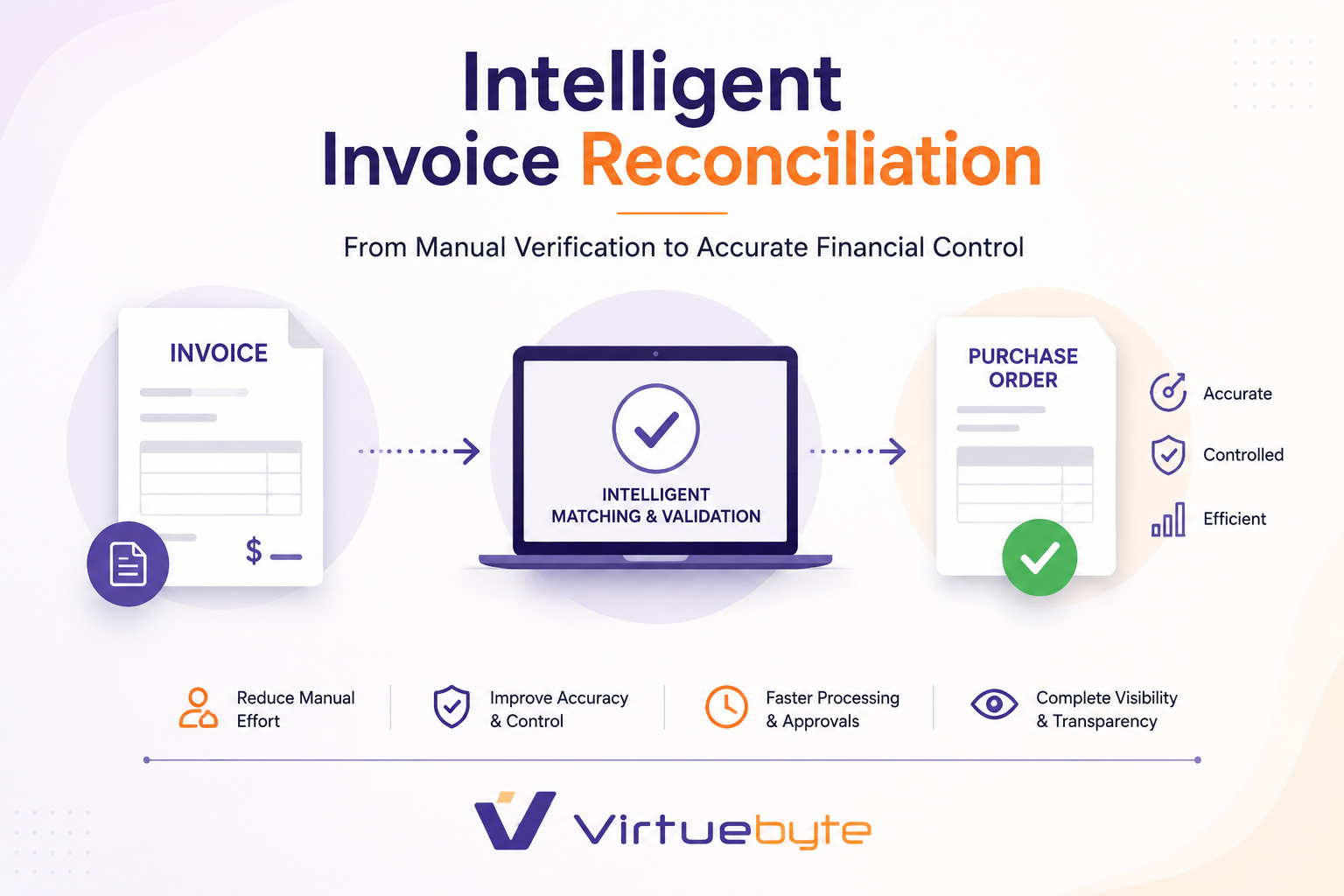
Intelligent Invoice Reconciliation: How Automated PO and Invoice Matching Improves Financial Accuracy
How Intelligent Invoice Reconciliation Improved Financial Accuracy and Operational Control
Learn More